
Insurance for Arizona Landlords with Multiple Properties
Growing a rental portfolio in the Grand Canyon State is one of the smartest moves a real estate investor can make, but the more doors you own, the more risk you're carrying. Arizona landlords with multiple properties face a unique set of challenges that single property owners simply don't deal with, from coordinating coverage across different property types to managing liability exposure that multiplies with every new address added to the portfolio. Whether you own a handful of single family rentals scattered across the valley or you're managing multi unit buildings and apartment buildings alongside short term rentals, having the right landlord insurance policy in place isn't optional, it's essential. Riseson Insurance works with property owners throughout Arizona to build coverage that actually reflects how their rental business operates, not a one size fits all package that leaves gaps. This guide breaks down what Arizona landlords need to know about insuring multiple properties, what coverage typically looks like, and how to keep insurance premiums manageable while still protecting your rental income and your long term investment.

Why Landlord Insurance Looks Different When You Own Multiple Properties
A standard homeowners insurance policy is built for someone who lives in the home they own. The moment a property becomes a rental, that owner occupied residences assumption no longer applies, and a regular homeowners policy typically won't cover the risks that come with tenant occupancy. This is where landlord insurance cover becomes necessary, and it becomes even more important once you're managing a rental portfolio instead of a single unit. With one rental, an investor might be able to get away with a simple dwelling fire policy. But once you're insuring multiple properties, the conversation shifts toward how those properties relate to each other from a risk standpoint, whether they're spread across different cities, whether they include different property types like single family homes versus multi unit buildings, and whether a blanket policy or separate policies make more sense for your situation. Arizona's mix of urban, suburban, and rural rental markets means two landlords with the same number of doors can have very different insurance needs depending on where those properties sit and what they're used for. A local agent who understands the Arizona rental market can help sort through these variables, but the underlying point stands: multi property owners need a strategy, not just a policy.
What a Landlord Insurance Policy Typically Covers Across a Portfolio
When people ask what landlord insurance coverage actually includes, the answer usually comes down to three core pillars: dwelling coverage, liability protection, and lost rental income. Dwelling coverage protects the physical structure itself against covered events like fire, wind, hail, and other natural disasters that are common in Arizona, from monsoon damage to occasional wildfire exposure in certain regions. Liability coverage protects you if a tenant, guest, or contractor is injured on the property and files a claim against you, and this becomes especially important as your rental portfolio grows, since more properties statistically means more liability exposure and more chances for a claim to arise. Lost rental income coverage, sometimes bundled into a broader landlord insurance policy, reimburses you for lost rental income if a covered event makes the unit temporarily uninhabitable, which matters a great deal to investors who depend on that rental income to cover mortgage payments across several properties at once. Beyond these three pillars, many landlord policies also address personal property that belongs to the owner and is used to service the rental, such as appliances, tools, or equipment kept on site, as well as equipment breakdown coverage for major mechanical systems like HVAC units. For landlords running short term rentals, additional protection may be needed since occupancy patterns and guest turnover create a different risk profile than a traditional long term lease agreement. Understanding what's typically covered, and what isn't, is the first step toward making sure there are no surprises when it's time to file a claim.
Why Liability Protection Becomes More Critical with Every Additional Property
It's easy to underestimate liability exposure when you only own one rental property, but that risk compounds quickly as a portfolio grows. Each additional property is another lease agreement, another set of tenants, another driveway, another staircase, and another opportunity for an accident to happen. Liability claims can come from slip and falls, dog bites, code violations, or even incidents connected to a swimming pool or a shared amenity space in a multi unit building. For landlords who self manage several properties, this exposure is often higher than expected simply because there isn't a property manager on site at every location catching hazards before they become claims. Adequate coverage limits become critical here, since a lawsuit stemming from a serious injury can easily exceed the liability limits found in a basic policy, especially when multiple properties and multiple tenants are involved. Many experienced real estate investors choose to layer their own liability coverage with an additional liability policy, sometimes called an umbrella policy, that sits on top of their individual landlord insurance policies and provides an extra buffer of protection across the entire rental portfolio. This approach spreads liability protection across all properties rather than leaving each one to stand alone with only its base policy limits. It's also worth noting that many lease agreements now require renters insurance as a condition of tenancy, and while this doesn't replace a landlord's own liability coverage, it does add a layer of separation between tenant losses and the property owner's policy, which can reduce the frequency of claims landing directly on the landlord's coverage.
Should You Use One Blanket Policy or Separate Policies for Each Property
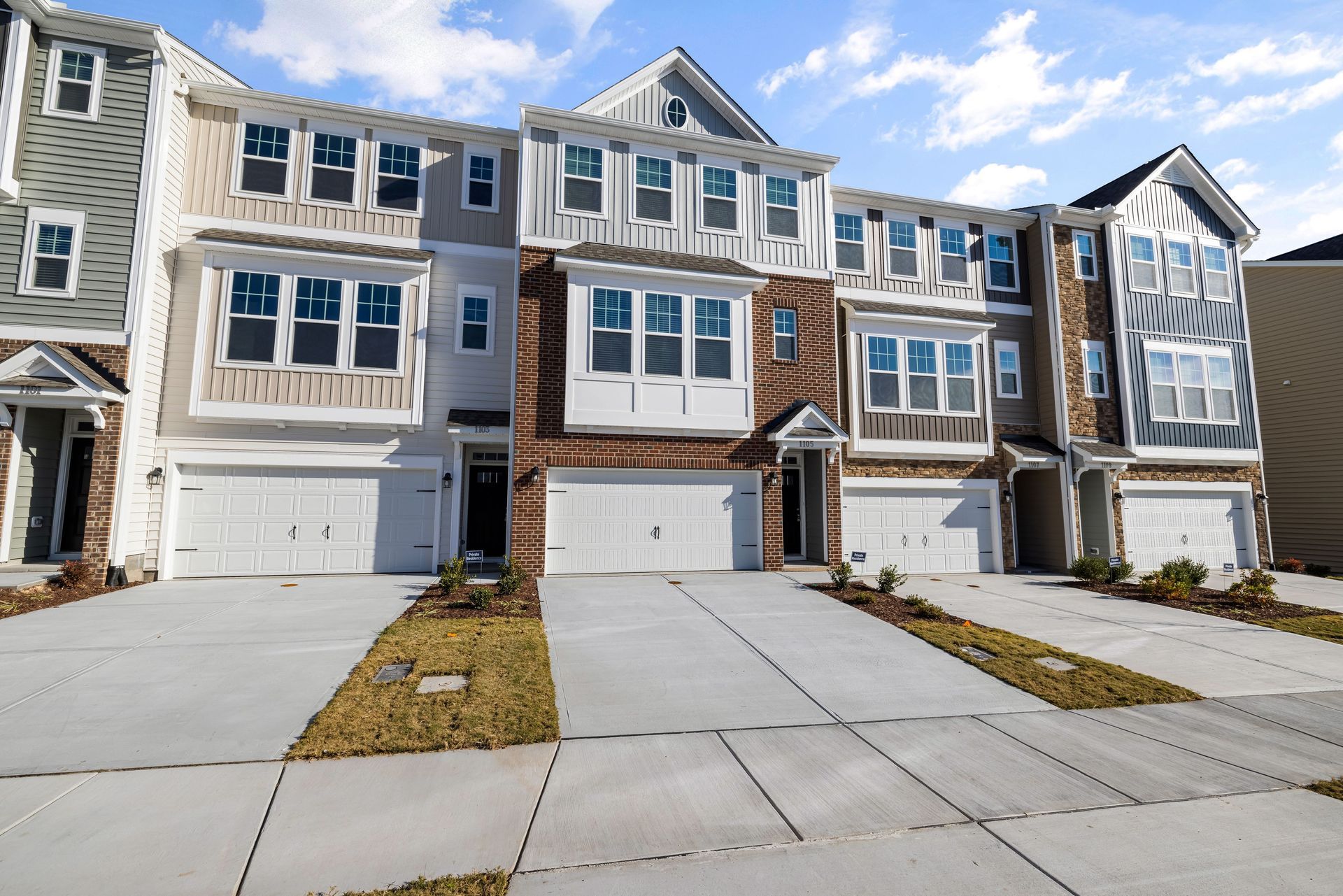
This is one of the most common questions Arizona landlords ask once their portfolio grows past two or three units: is it better to combine everything under a blanket policy, or keep separate policies for each address? There's no universal right answer, but there are some patterns worth understanding. A blanket policy that covers multiple properties under one master policy can simplify administration, since there's a single renewal date, a single point of contact, and often a more efficient way to manage insurance premiums across the whole rental portfolio. This can be especially useful for landlords who own several single family rentals of similar age, construction, and value, since a blanket policy treats them as a cohesive group. On the other hand, separate policies may make more sense when a landlord's properties vary significantly in type, value, or risk profile, such as owning both single family homes and a multi unit apartment building, or holding properties across very different Arizona markets. Separate policies also allow more flexibility in choosing a higher deductible on lower risk properties to reduce premiums, while keeping tighter coverage on properties that carry more exposure. Some landlords also work with multiple carriers to avoid concentrating all of their risk, and potential claims history, with a single insurer. There are trade offs either way, and this is exactly the kind of decision where talking to a local agent familiar with multi property coverage in Arizona pays off, since they can model out both approaches based on actual numbers rather than guesswork.
Practical Ways Arizona Landlords Can Manage Insurance Costs Across a Growing Portfolio
Insurance premiums naturally rise as a rental portfolio expands, but there are practical, proven ways to keep landlord insurance cost reasonable without sacrificing adequate coverage. One of the most effective strategies is bundling multiple properties with a single insurer when it makes sense, since carriers frequently offer discounts for multi property coverage compared to insuring each unit separately with different companies. Choosing a higher deductible is another common lever landlords pull to save money on monthly premiums, particularly for properties with a strong maintenance history and lower risk of frequent claims. Installing security cameras, updated locks, and monitored alarm systems can also reduce risk in the eyes of insurers and sometimes qualify for premium discounts, while simultaneously reducing the odds of theft or vandalism claims in the first place. Regular property maintenance matters too. Roofs, plumbing, and electrical systems that are kept in good condition reduce the likelihood of claims tied to water damage, fire, or equipment breakdown, and a clean claims history over time tends to translate into better rates when it comes time to renew. Landlords should also periodically reassess whether their coverage still matches their portfolio. As properties appreciate in value or undergo renovations, coverage limits based on actual cash value versus replacement cost can drift out of alignment with what it would truly cost to rebuild or repair. Choosing replacement cost coverage over actual cash value is generally worth the modest premium increase, since actual cash value factors in depreciation and can leave a real estate investor significantly underinsured after a major loss. Finally, requiring renters insurance in every lease agreement across the portfolio is a low cost way to shift some risk away from the landlord's own policy, since tenant owned personal property and certain liability scenarios are then partially covered by the tenant's own insurance rather than falling entirely on the landlord.
Purchasing landlord insurance for a single rental is relatively straightforward, but insuring multiple properties is a different exercise altogether. It requires thinking about the rental portfolio as a whole system, understanding how liability exposure, property types, and coverage limits interact across every address, and making deliberate choices about blanket policies versus separate policies, deductibles, and additional liability protection. Arizona's rental market continues to attract real estate investors precisely because of its growth and affordability compared to many other states, but that growth also means more competition for tenants, more properties to manage, and more complexity when it comes to protecting those investments. Landlords who treat insurance as an afterthought, rather than a core part of their investment strategy, often find out the hard way that gaps in coverage can undo years of careful portfolio building in a single incident.
Riseson Insurance works directly with Arizona landlords to evaluate their entire rental portfolio and design coverage that fits how their properties actually operate, whether that means a single blanket policy across several single family rentals or a more customized combination of separate policies for a mixed portfolio of single family homes and multi unit buildings. Riseson Insurance understands the nuances of insurance in Arizona, from the specific risks tied to natural disasters in different parts of the state to the liability exposure that comes with managing tenants across multiple locations. For landlords looking to insure multiple properties without overpaying or leaving themselves exposed, working with Riseson Insurance means having a partner who looks at the full picture rather than treating each property as an isolated transaction. If you're building or already managing a rental portfolio in Arizona, reach out to Riseson Insurance to talk through your coverage options and make sure your growing investment is protected the way it should be.
Interested in our services? We’re here to help!
We want to know your needs exactly so that we can provide the perfect solution. Let us know what you want and we’ll do our best to help.